Saturday, November 14, 2009

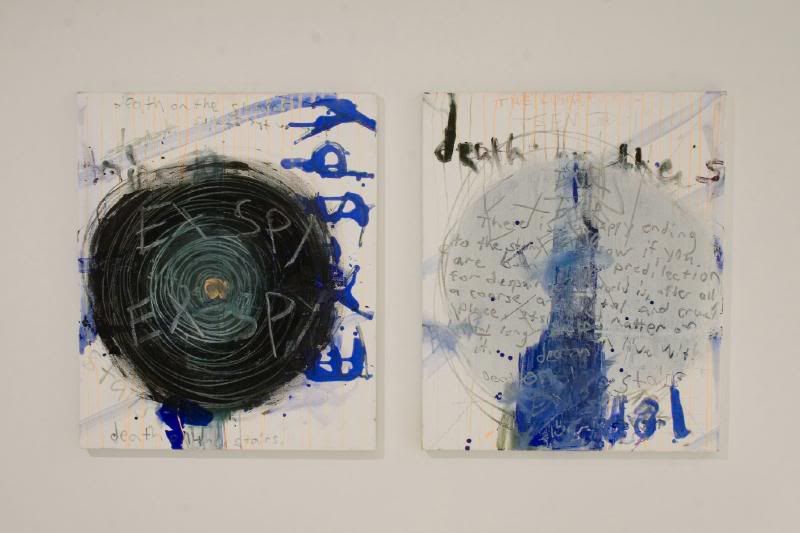
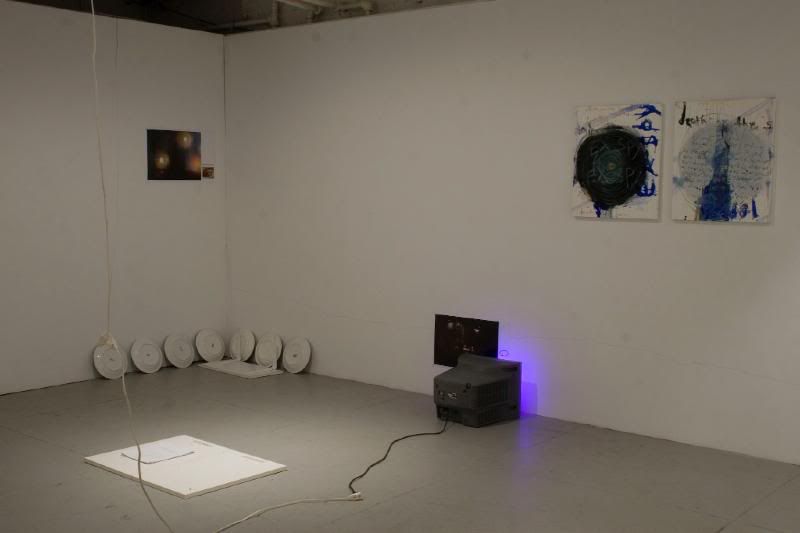
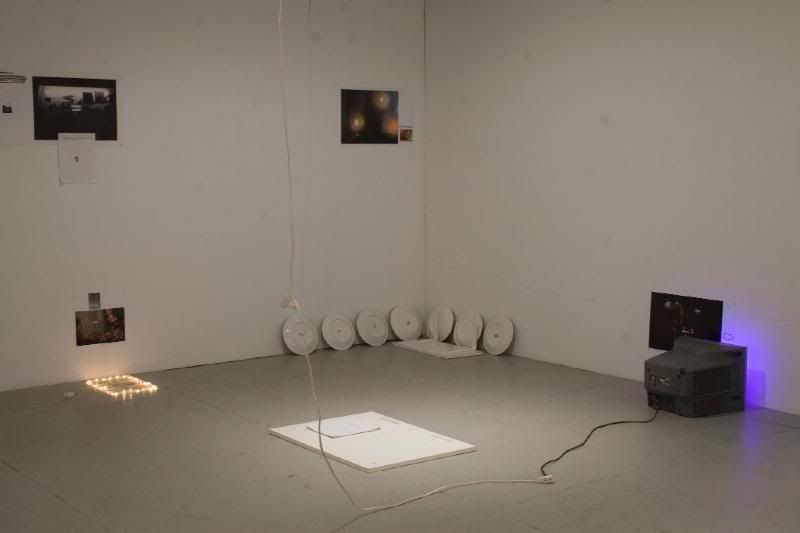
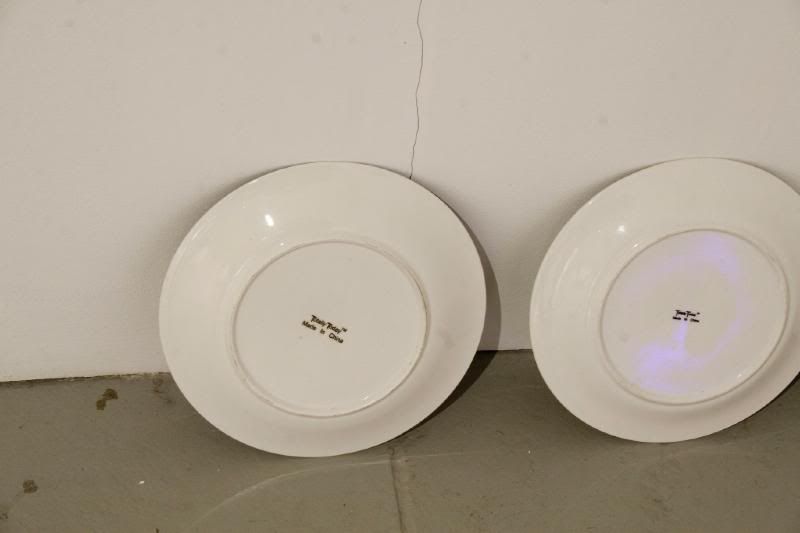
Correspondences (Ex-Spy)


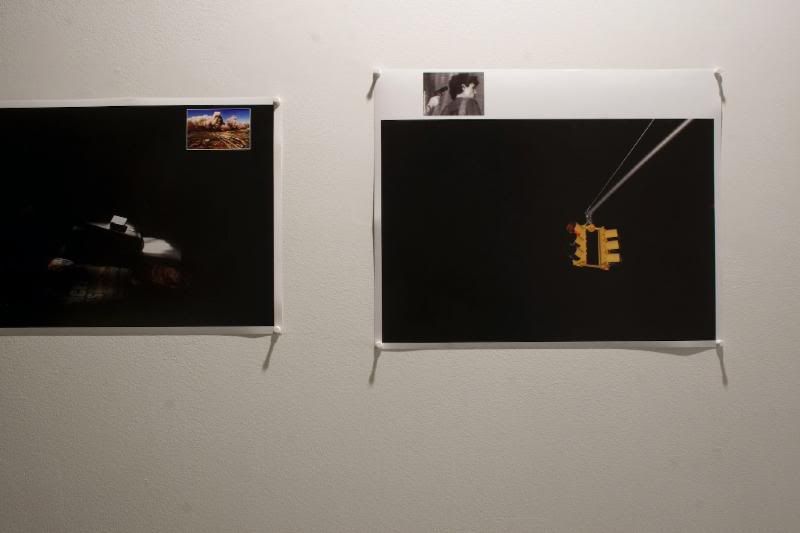
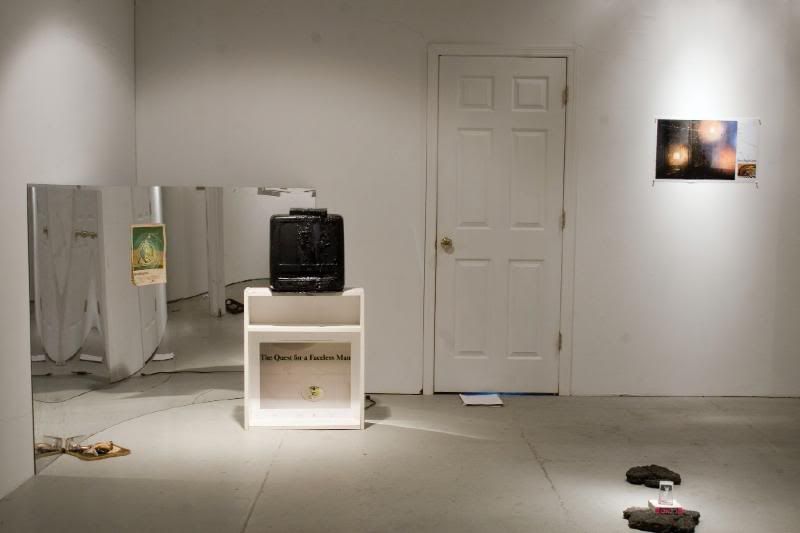
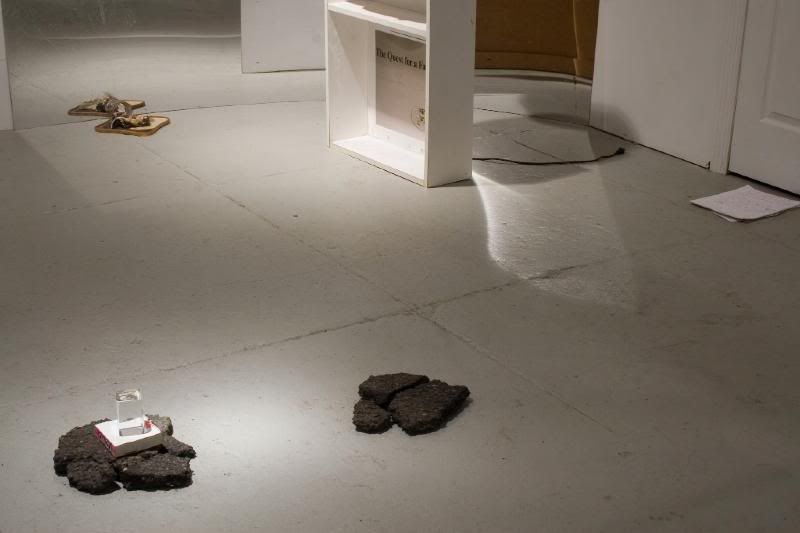
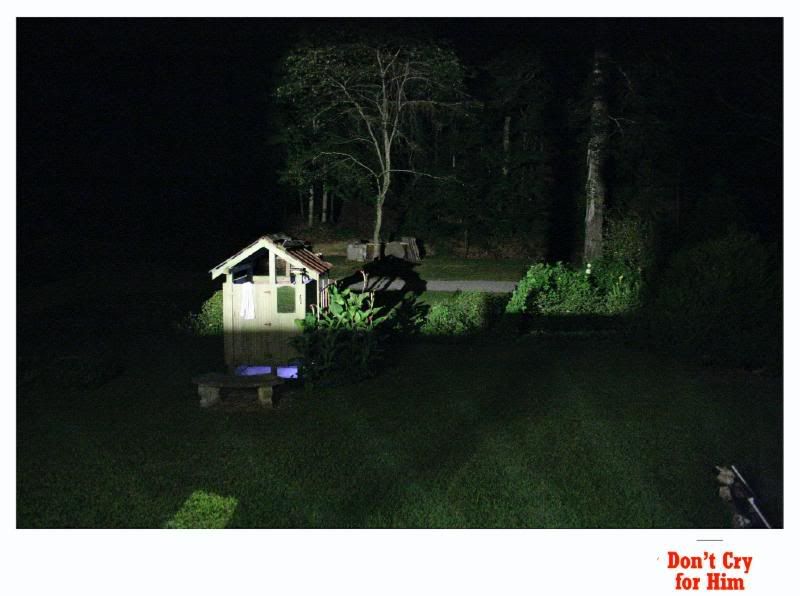
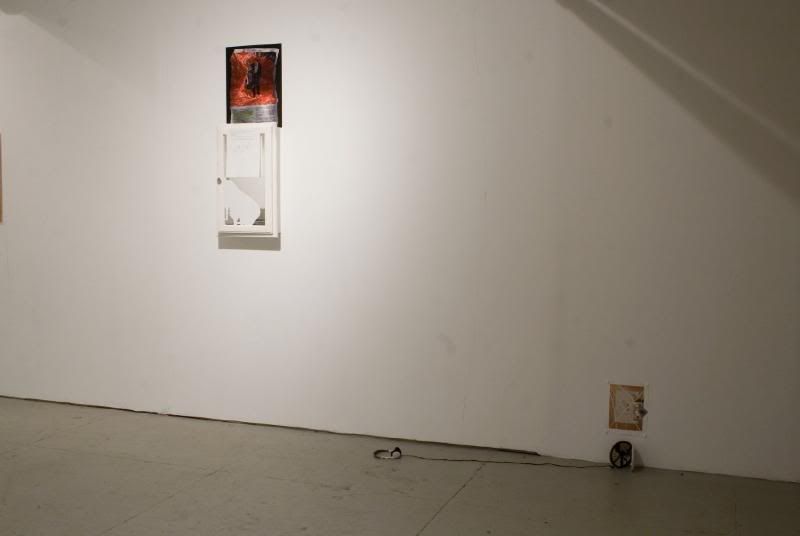
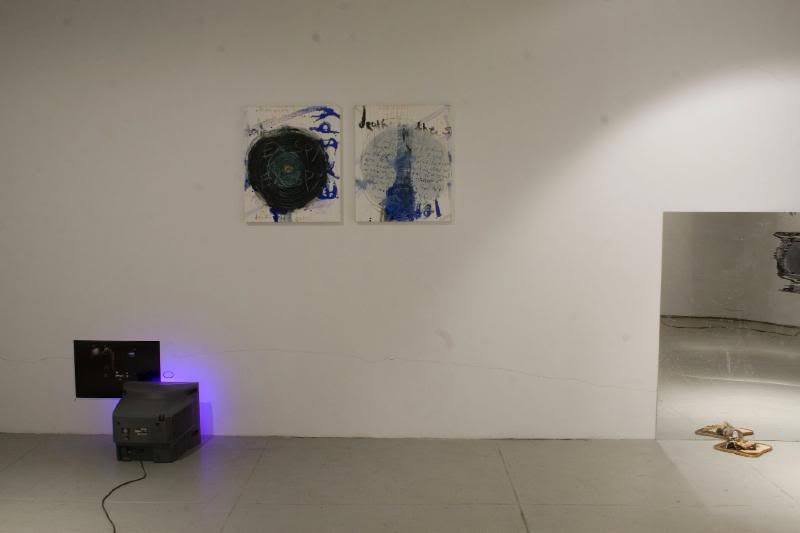
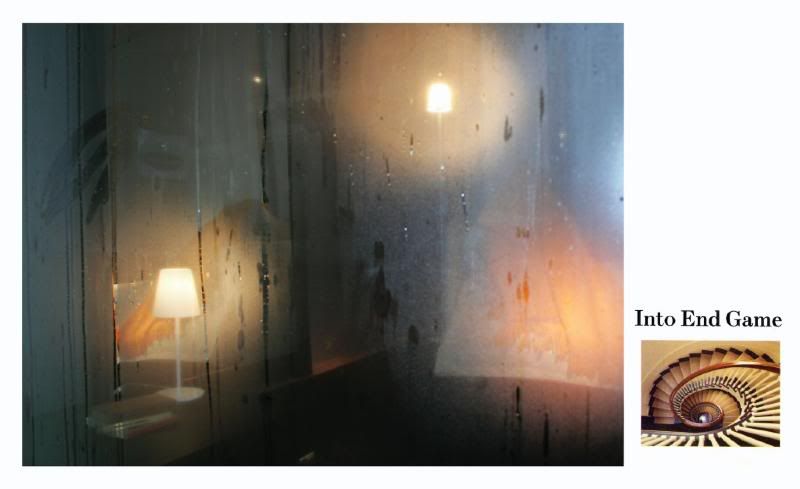
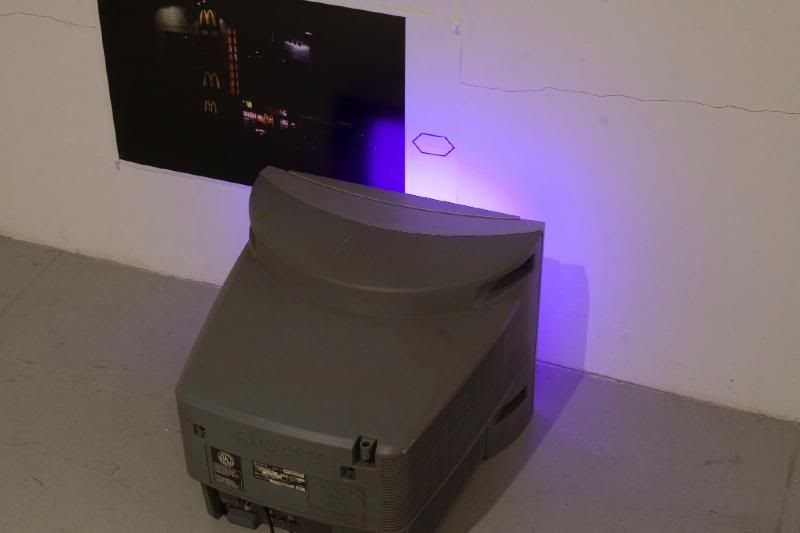
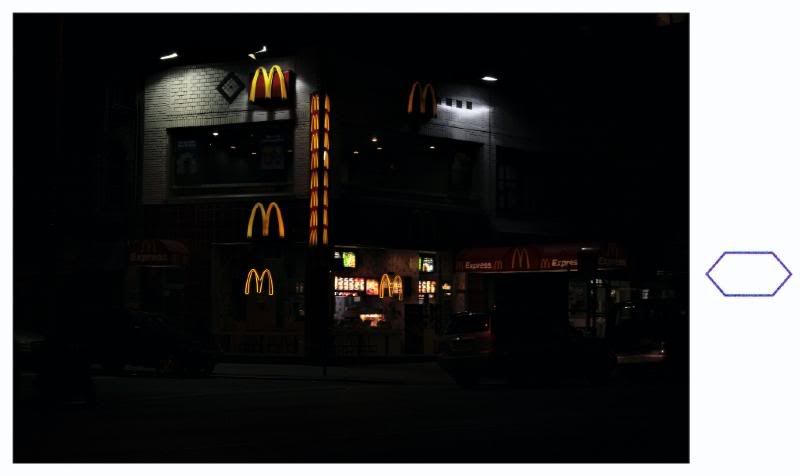
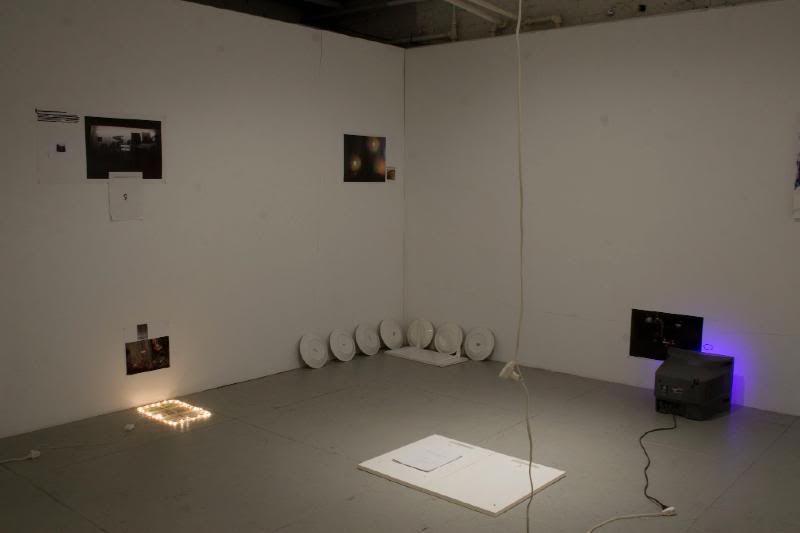
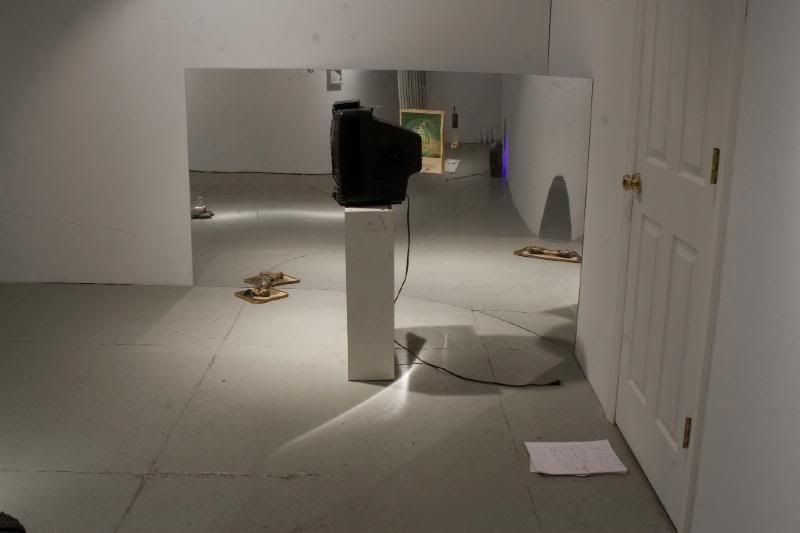
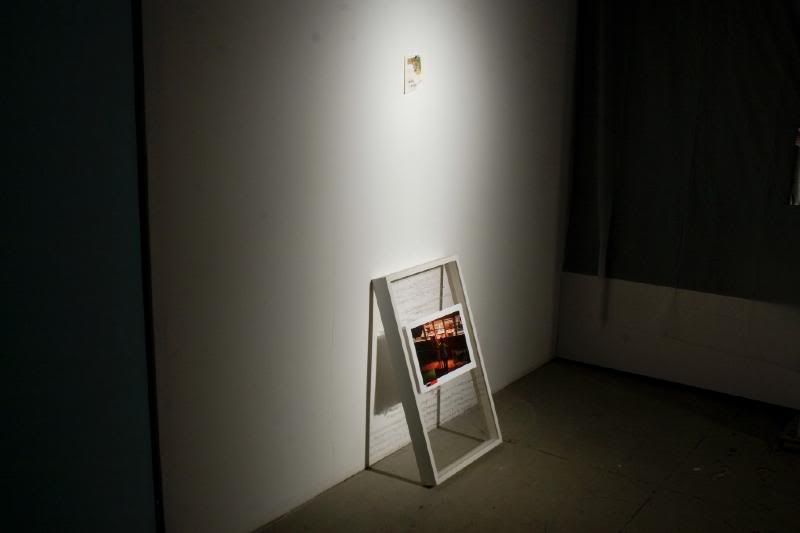
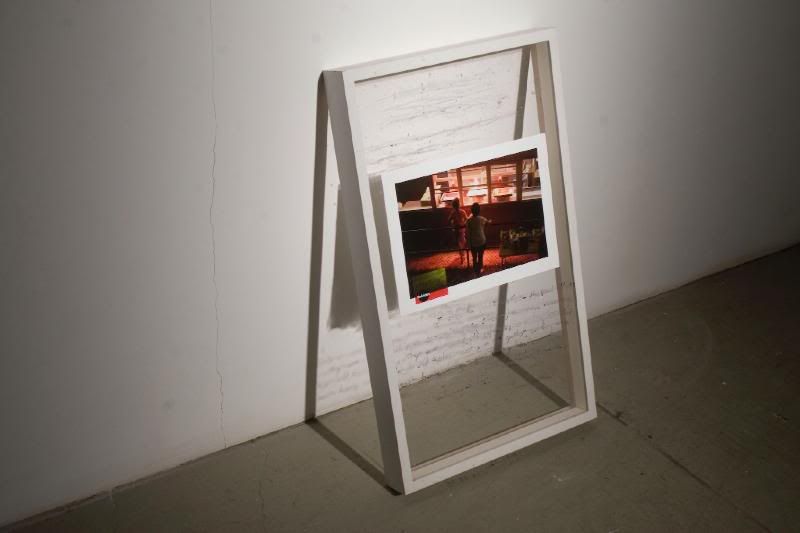
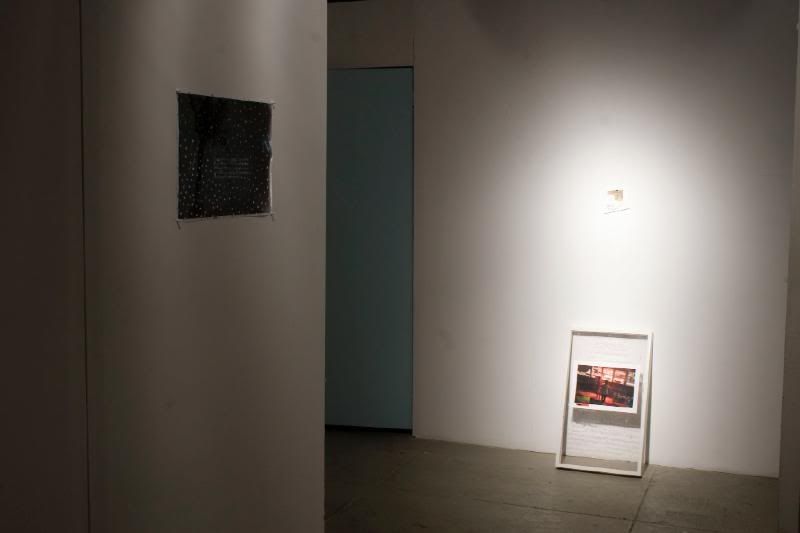
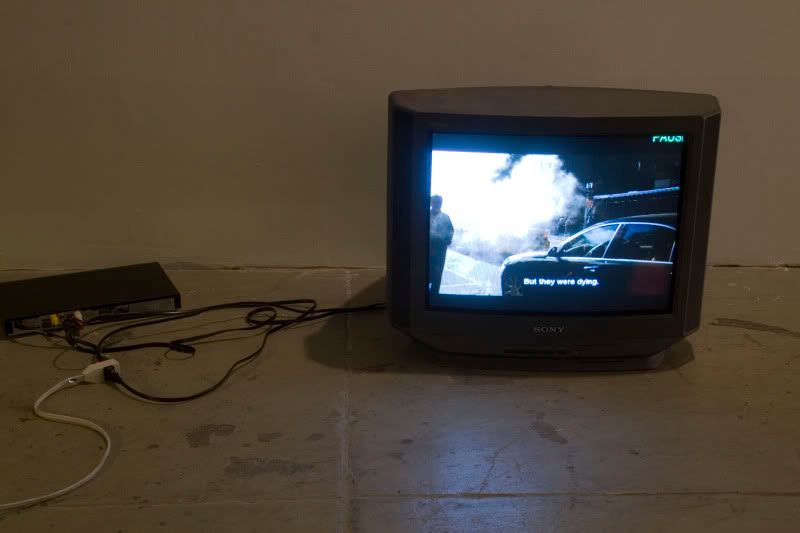
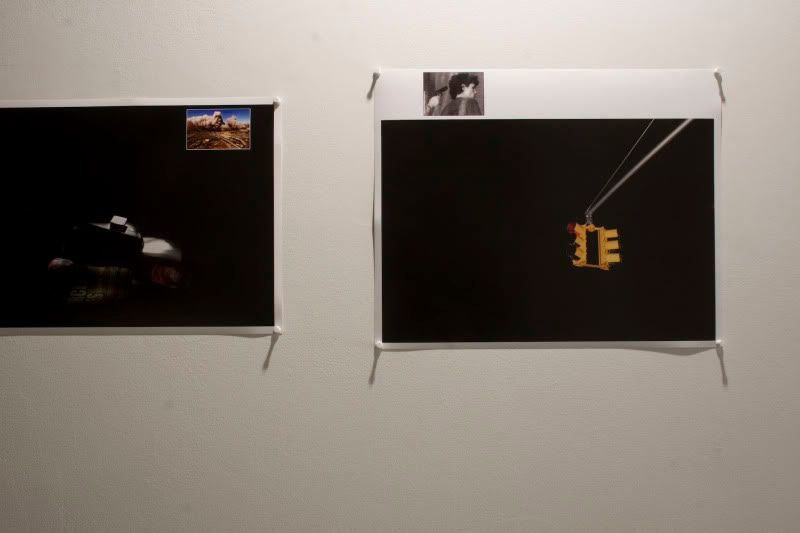
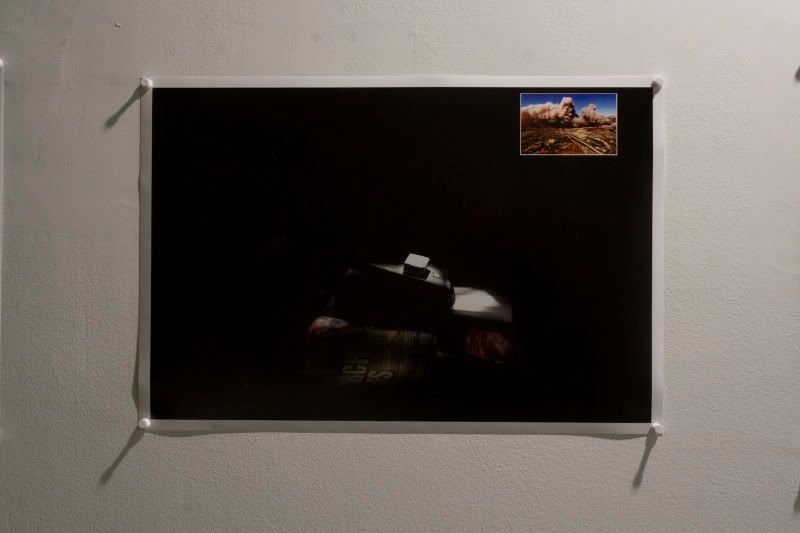
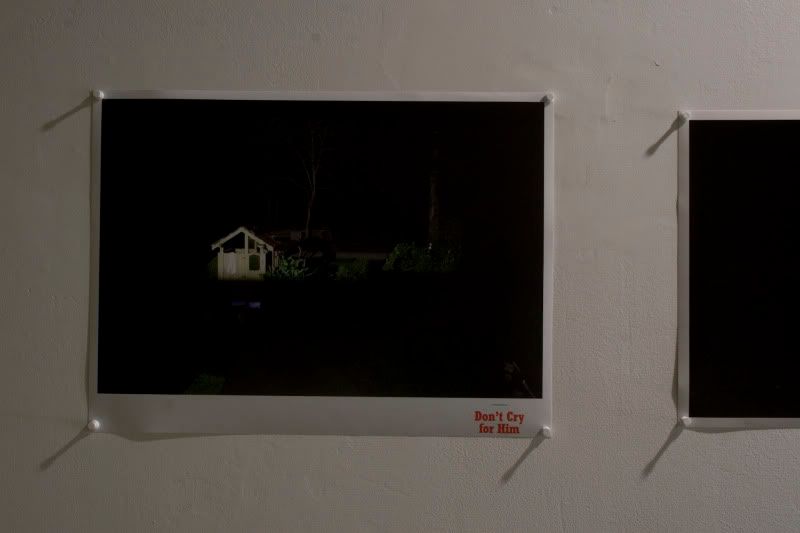
Gallery 106 Green is pleased to present Correspondences (Ex-Spy), a solo exhibition of  new works by Damien Crisp.  The opening reception will take place on Sunday November 22, 4-7 pm.


Exhibition will run from November 22 – December 20, 2009.  Gallery hours are on Sundays from 1 – 6 pm or by appointment. Please contact Mitchell Wright at 106green@gmail.com or 865-771-0666.


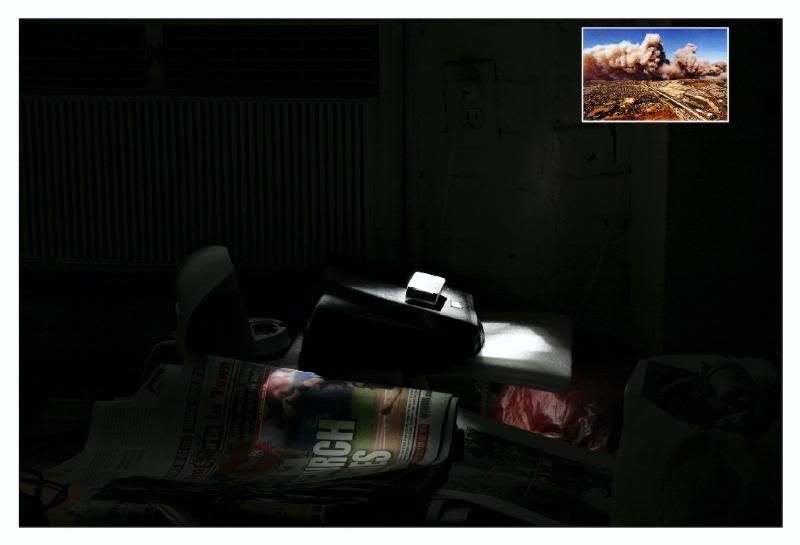
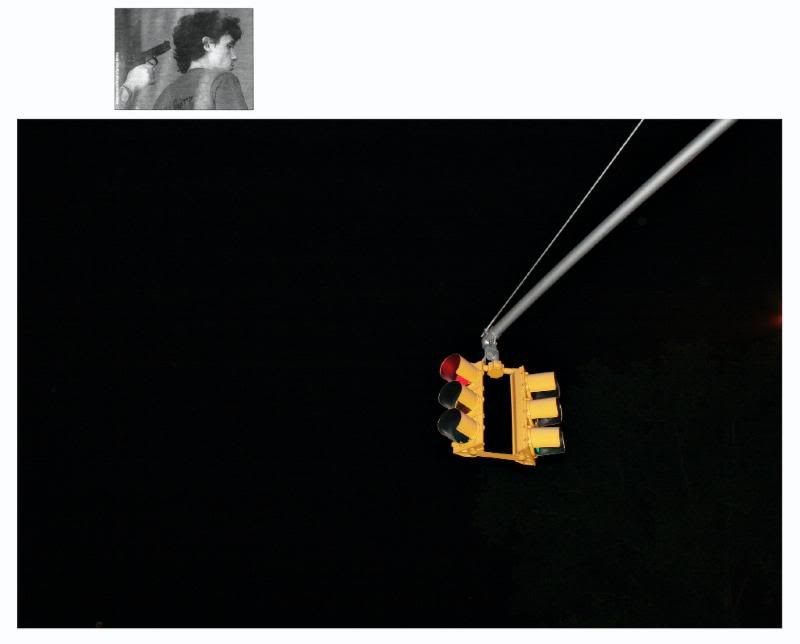
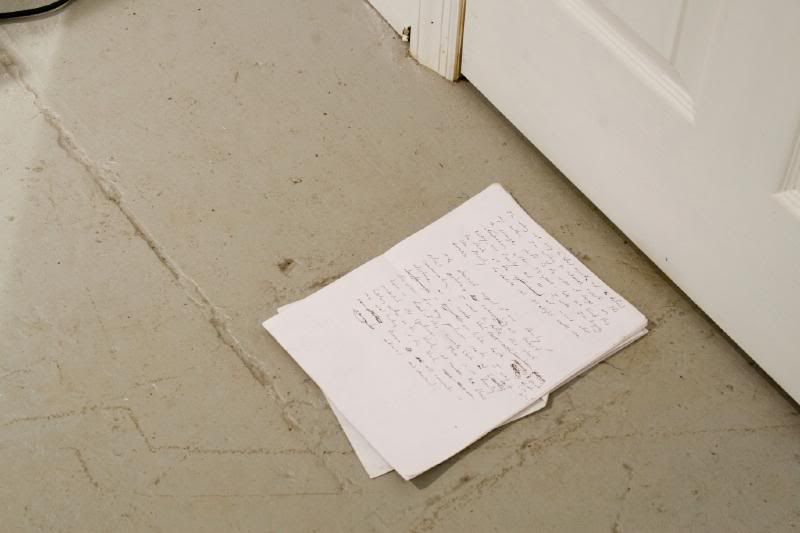
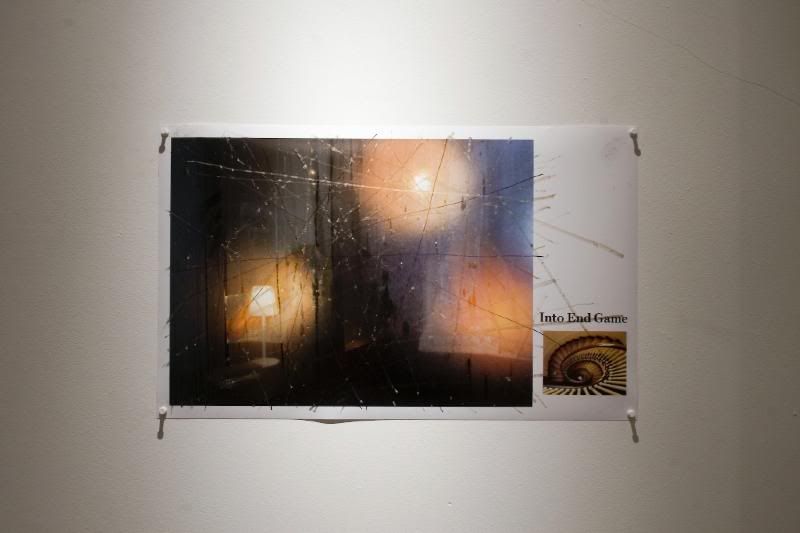
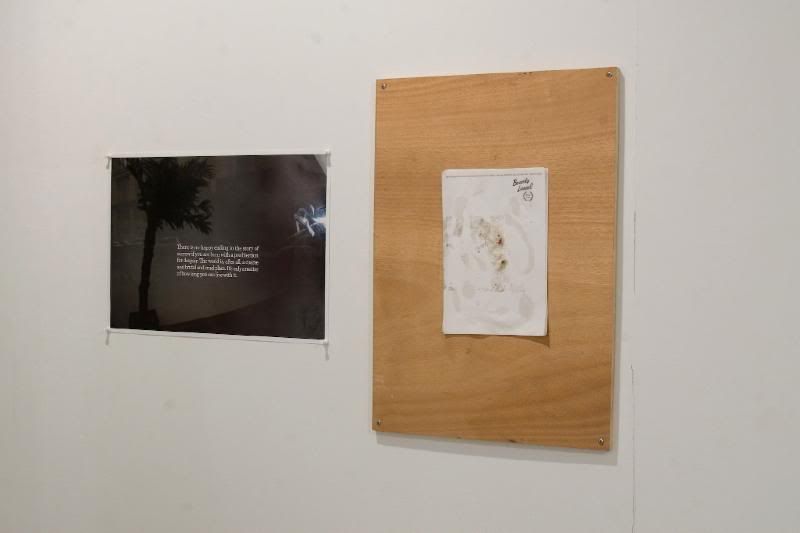
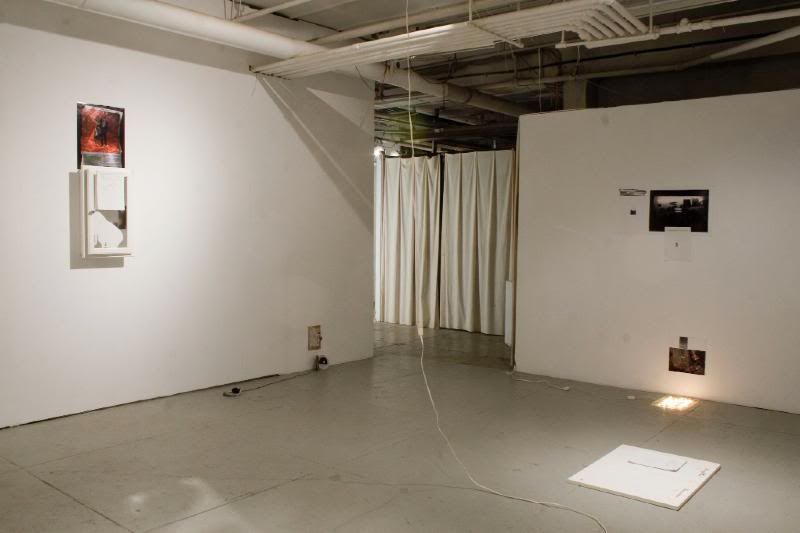
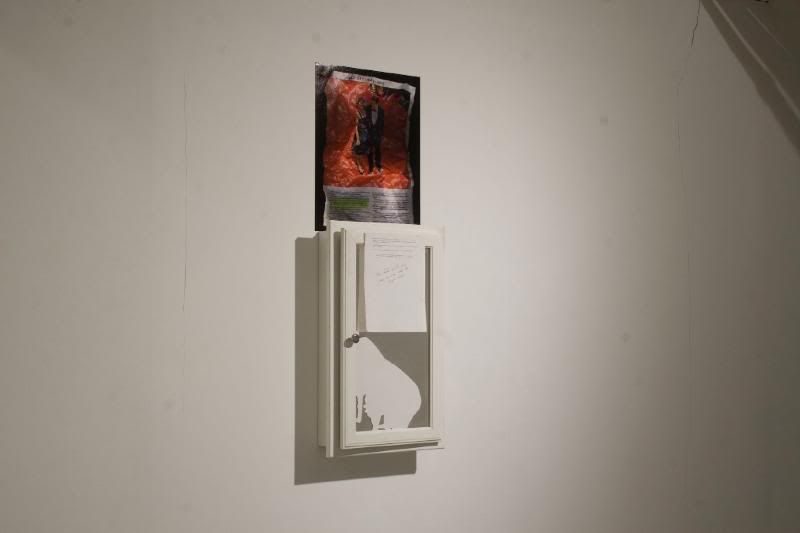
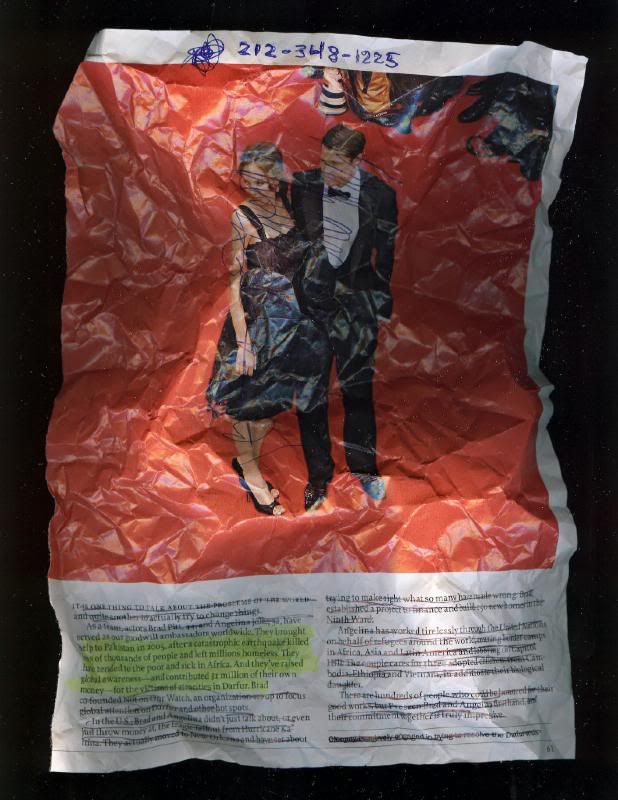
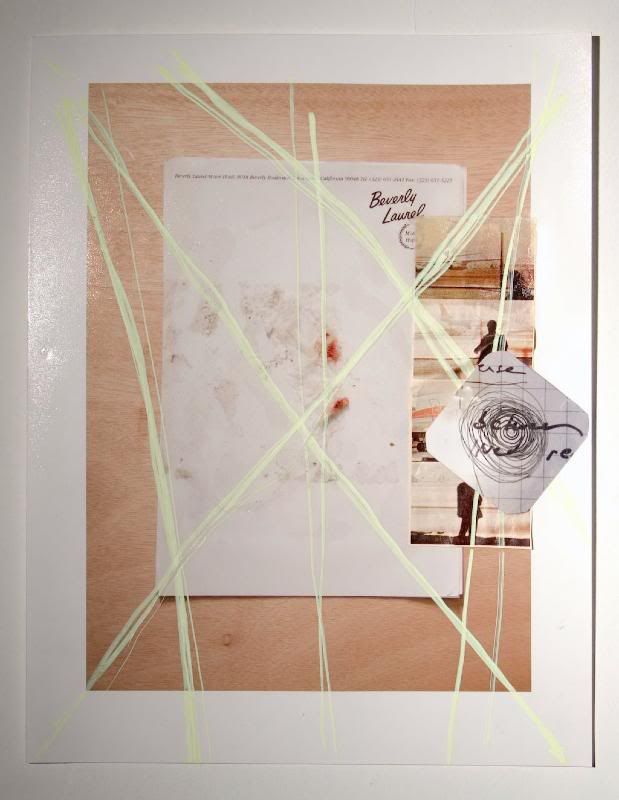
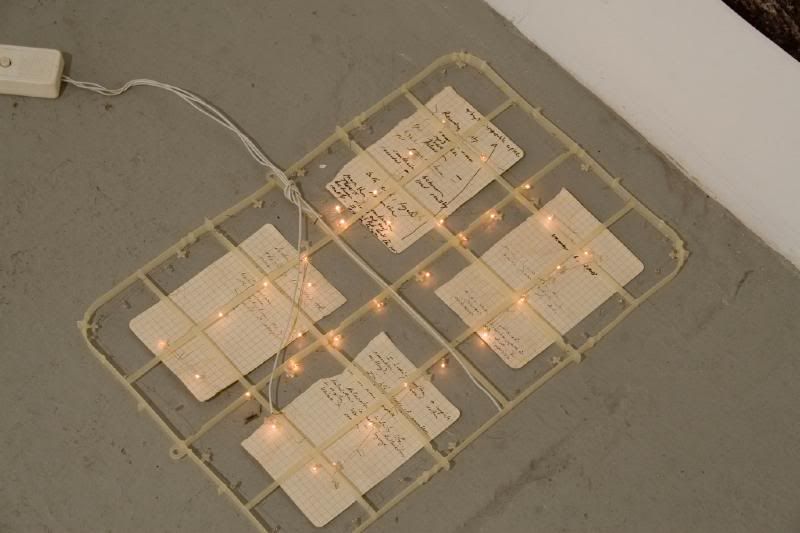
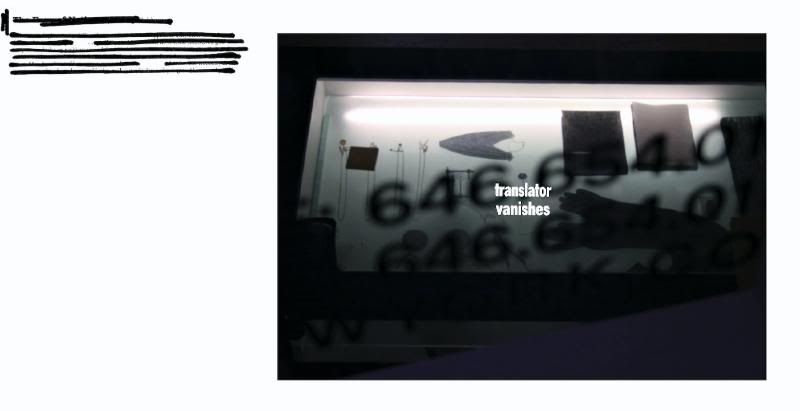
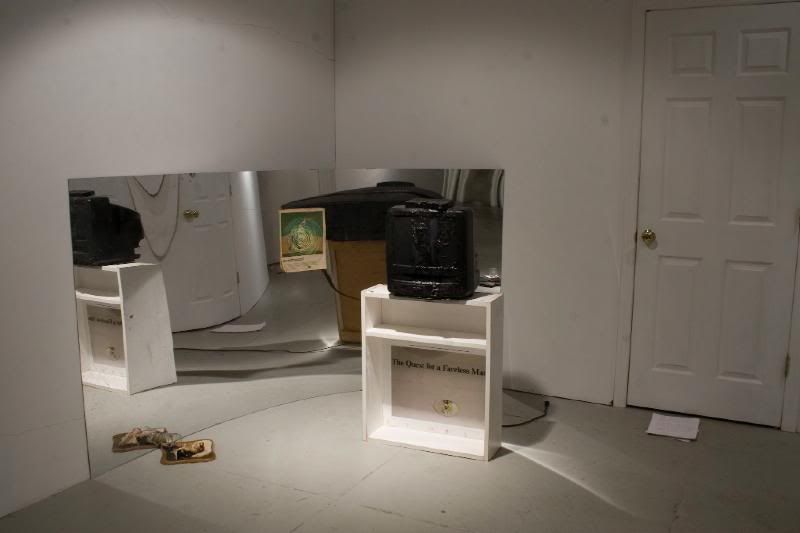
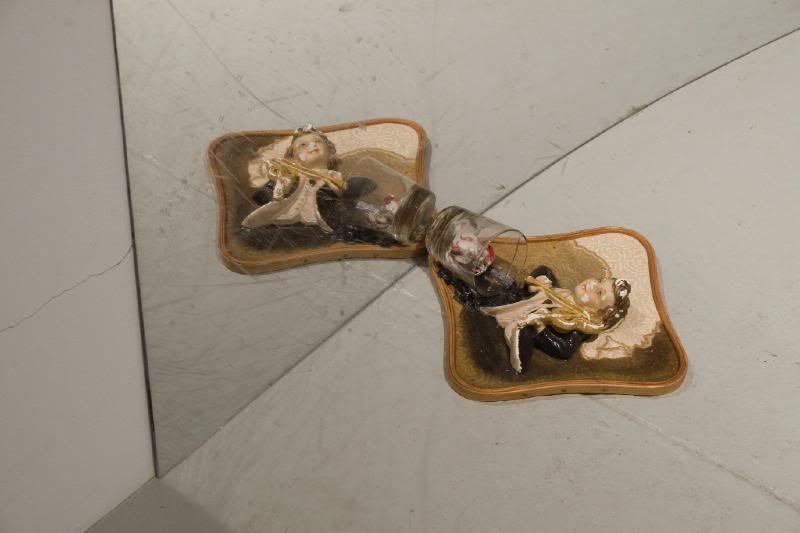
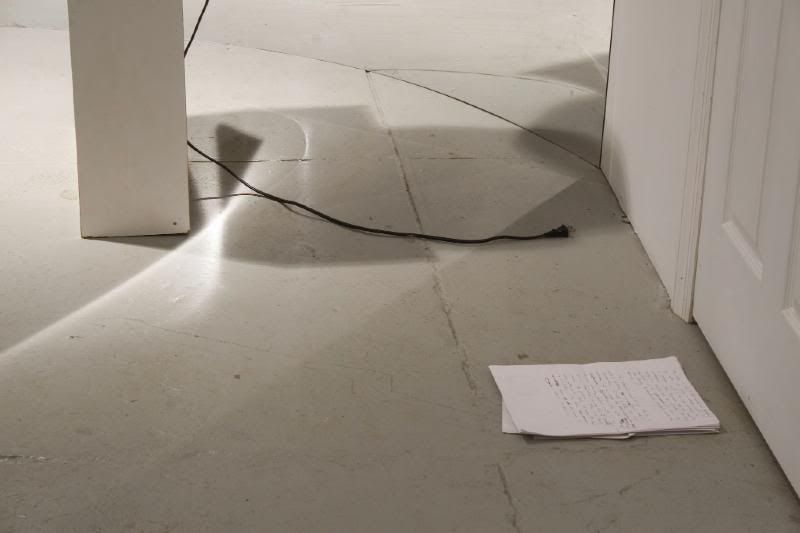
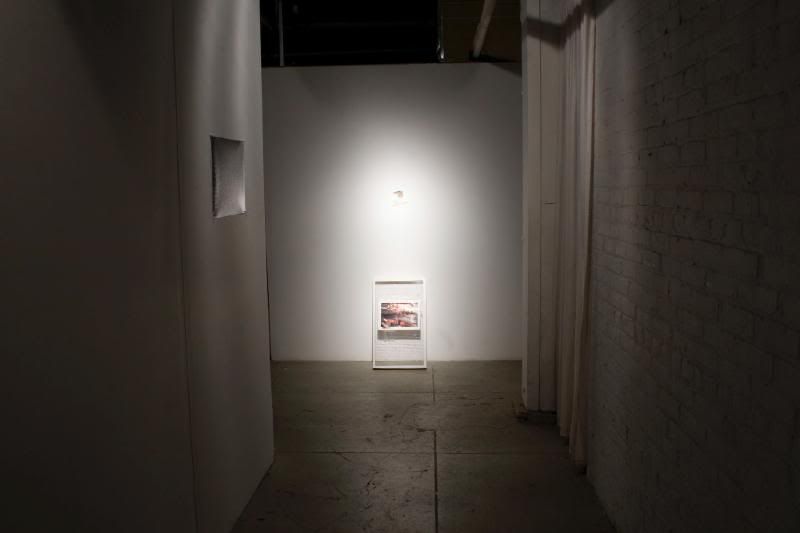
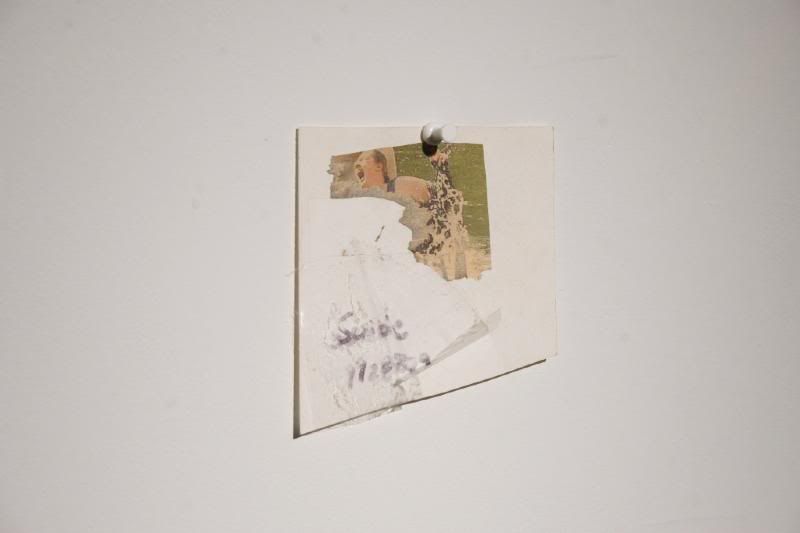
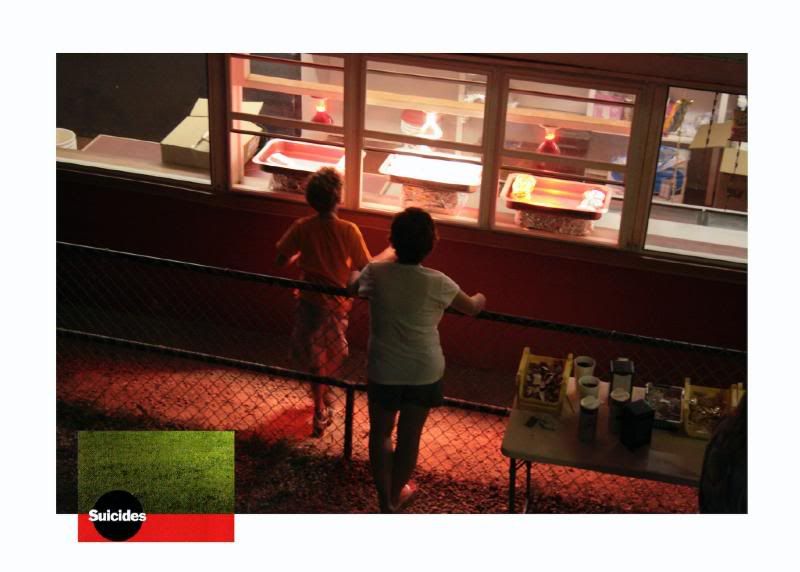
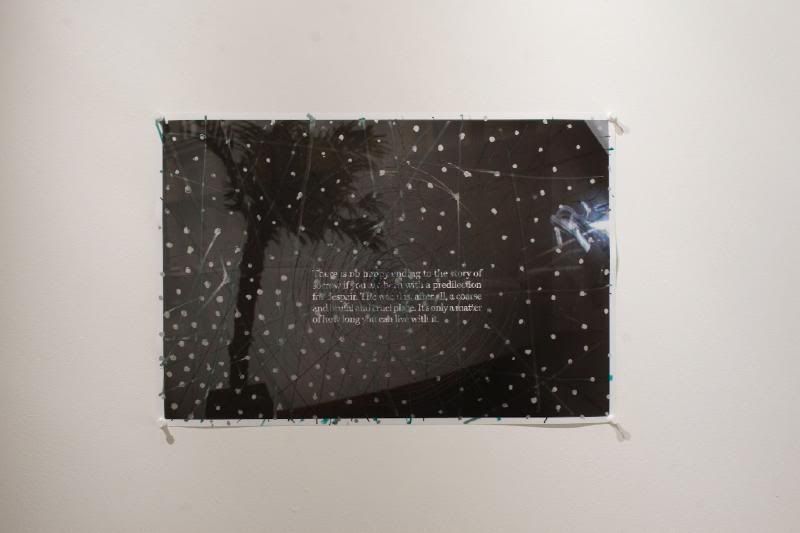
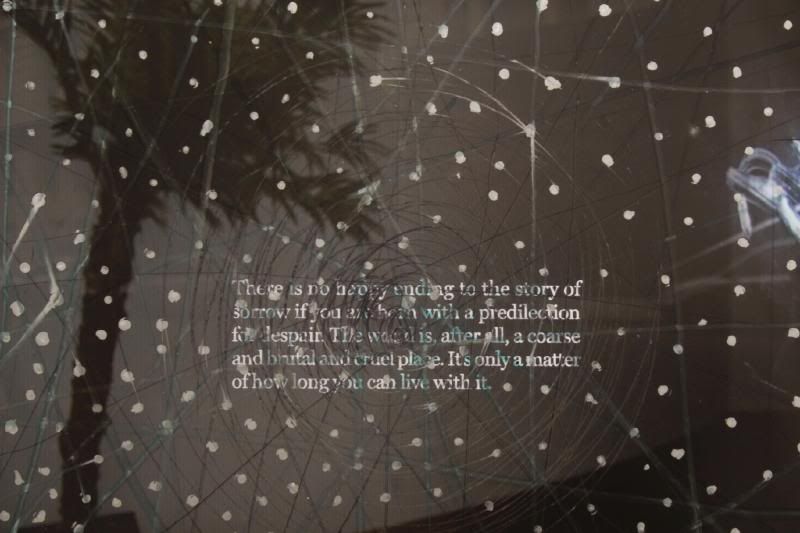
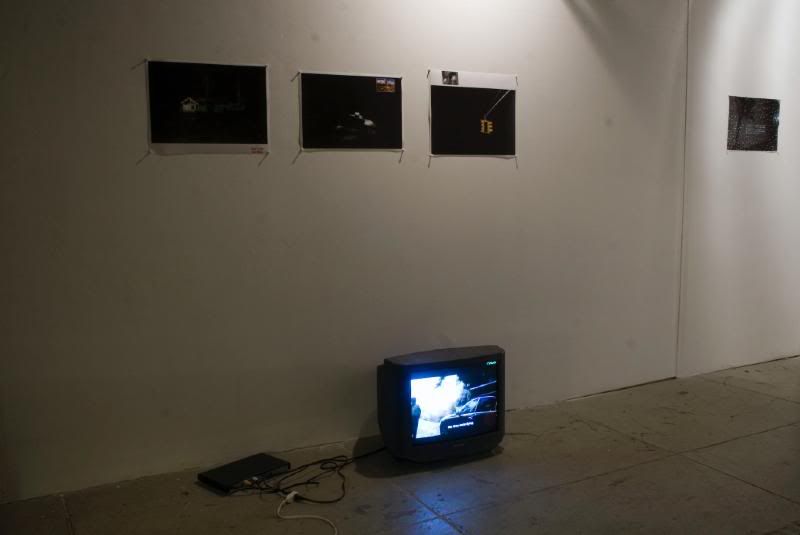
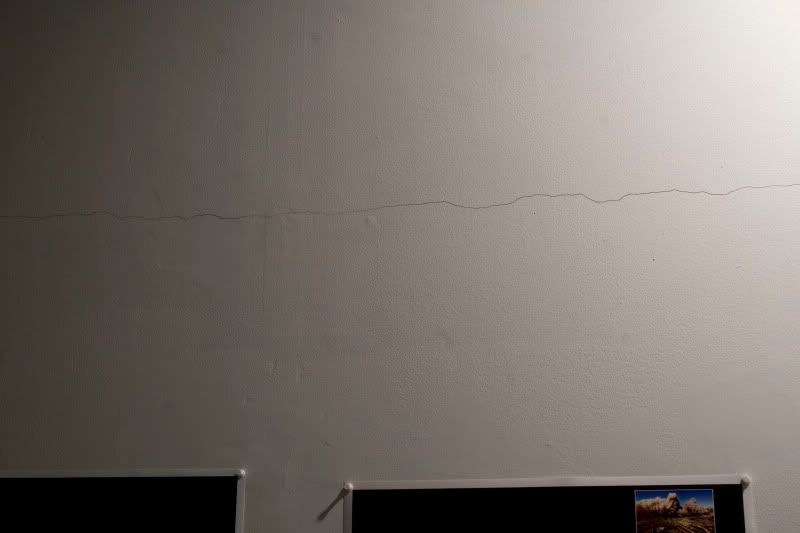
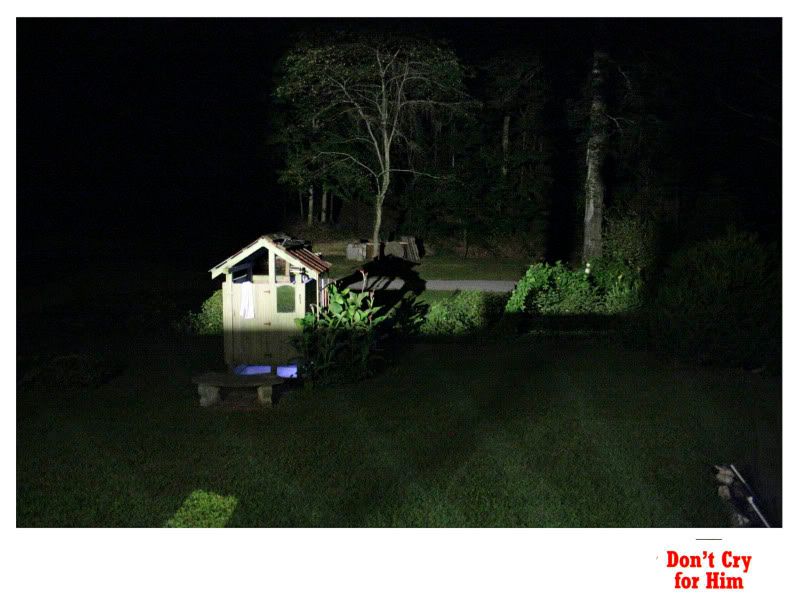
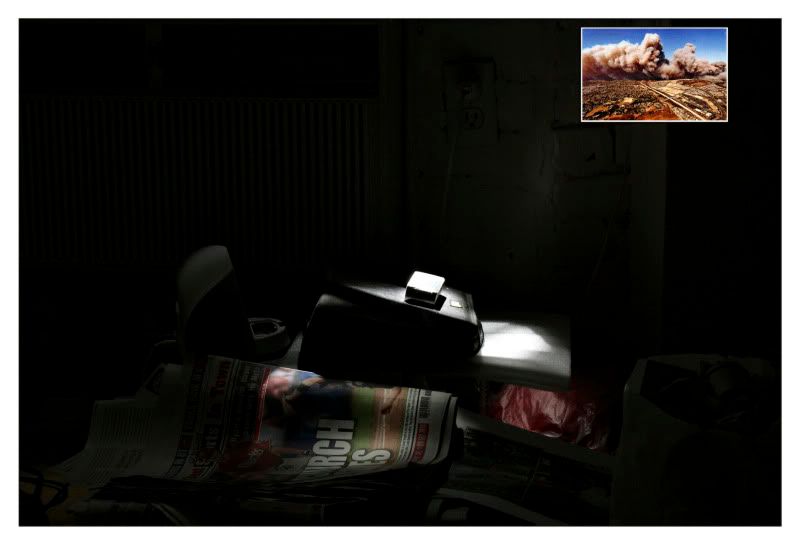
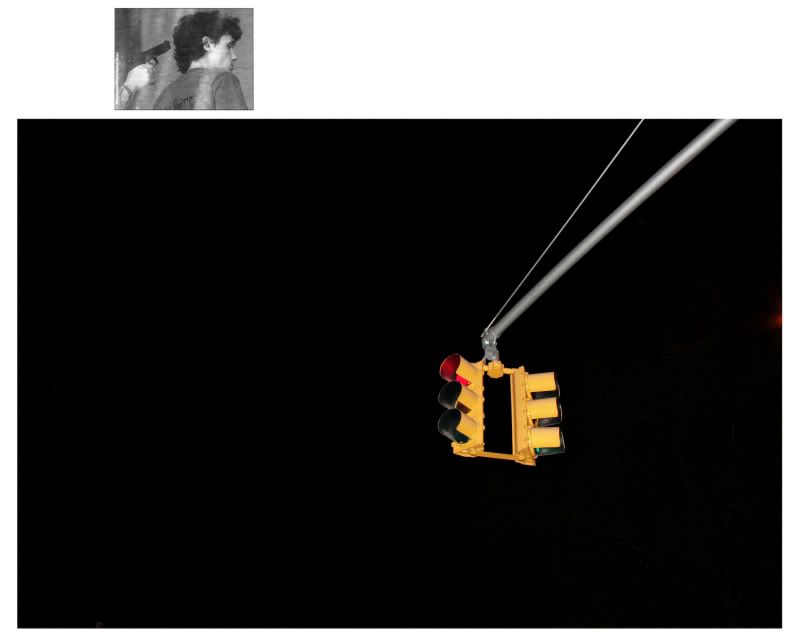
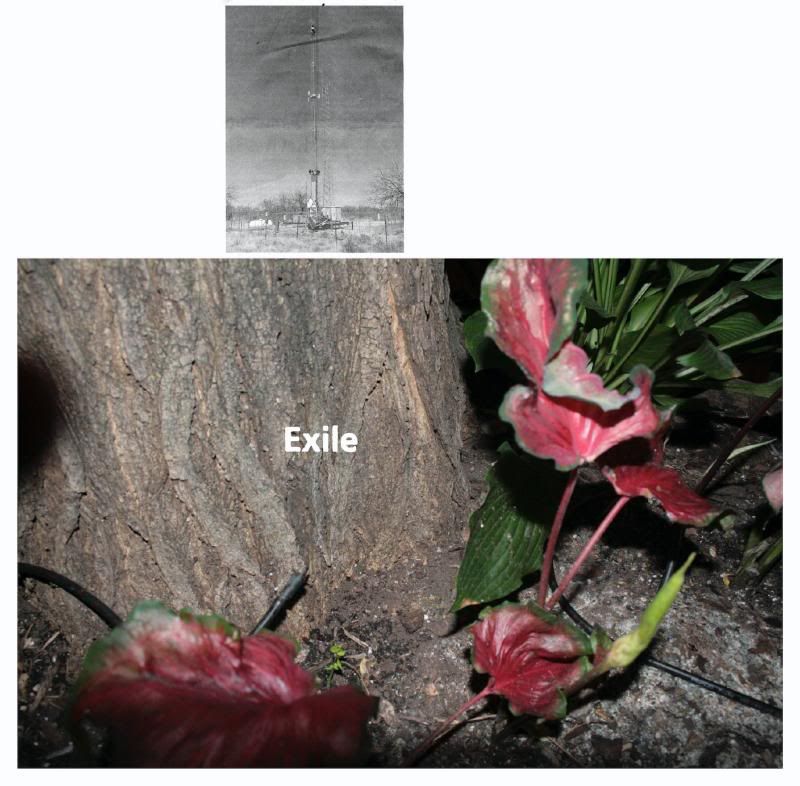
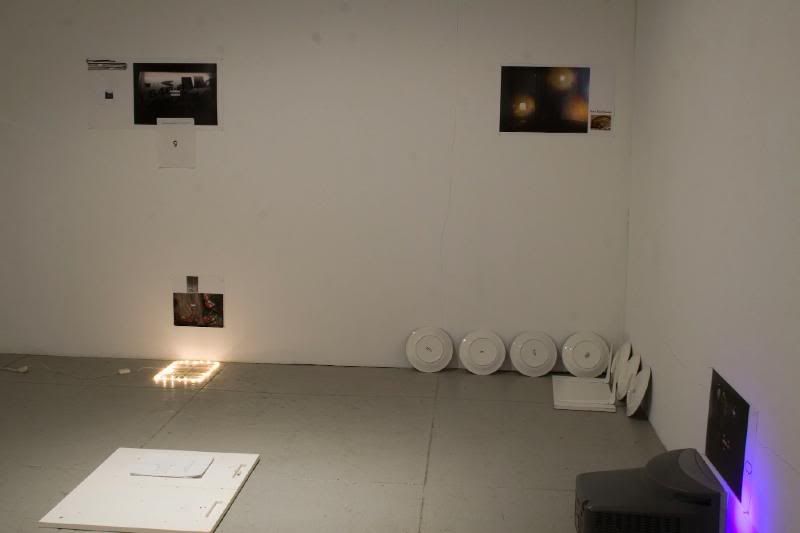
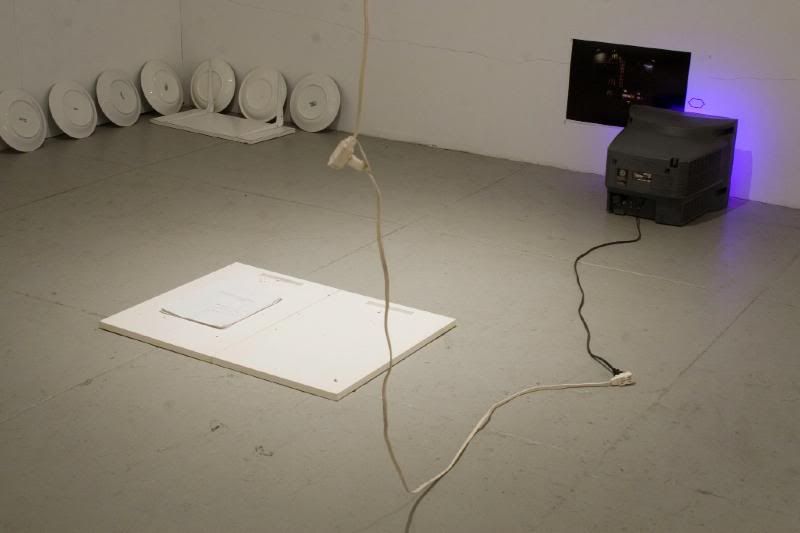
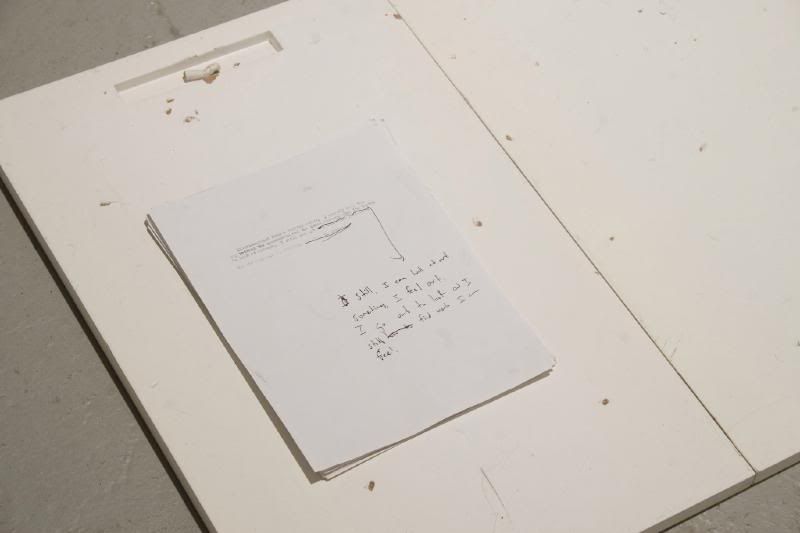
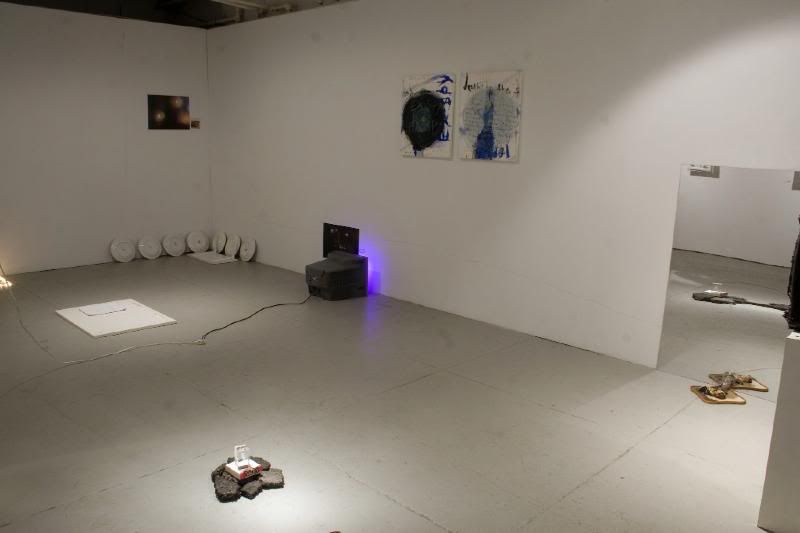
Correspondences (Ex-Spy) is a series of objects and remnants that tells the story of an artist that lived in the beginning of the 21st Century. 


The poet’s home is a cold place, always robbed, with only the smallest remnants of sincerity left, maybe it’s what they came to steal. 


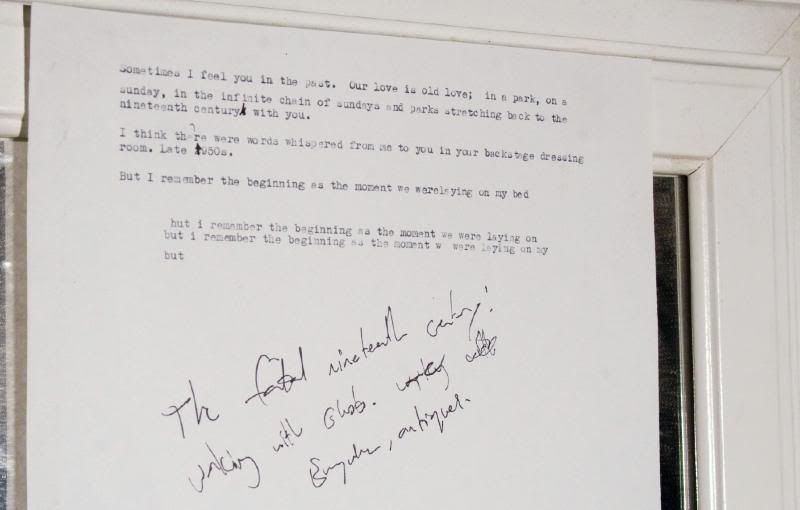
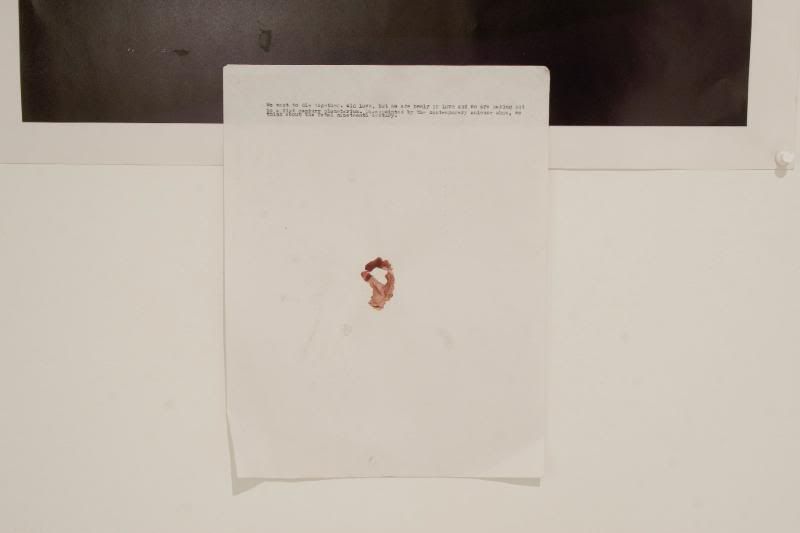
Somewhere between love letter and suicide note, Correspondences (Ex-Spy) tries to find whatever is left:


Looking in vain for the ideal poet. An image of the ideal poet. Archiving seconds of daily scenes. Stealing news headlines. Steal Walt Whitman's identity. Collect what I see. Steal snapshots. A state of infinite existential crisis. Keep the body missing. Mourn the loss of a narrator without too much thought.
I lost faith in communication, and now fall from grace to antagonize each day; day by day. A slow and quiet and subversive violence to..... - like the last stages of poetry just before it hits national television, a dead rose left on a window sill. My last memory. 
- Damien Crisp / 2009


Born in 1977 in the town of Cleveland, Tennessee, Crisp currently lives in works in Brooklyn, NY. He received his MFA in 2007 from the School of Visual Arts.  Group exhibitions include Art Since the Summer of ’69, Dark Fair, Swiss Institute; Big Secret Cache, Angstrom Gallery, Los Angeles (curated by Kristin Calabrese); Road Show #3, Arthur Roger Project Space, New Orleans (organized by Dan Cameron).


pic name

pic name

pic name


pic name

pic name

pic name


pic name

pic name

pic name


pic name

pic name

pic name


pic name

pic name

pic name


pic name

pic name

pic name


pic name

pic name

pic name


pic name

pic name

pic name


pic name

pic name

pic name


pic name

pic name

pic name


pic name

pic name

pic name


pic name

pic name

pic name


pic name

pic name

pic name


pic name

pic name

pic name


pic name

pic name

pic name


pic name

pic name

pic name


pic name

pic name

pic name


pic name

pic name

pic name


pic name

pic name

pic name


pic name

pic name

pic name


pic name

pic name

pic name


pic name

pic name

pic name

Tuesday, October 13, 2009

What's Bin Did and What's Bin Hid


Gallery 106 Green presents 'What's Bin Did and What's Bin Hid' curated by Ryan Steadman. The opening reception will be on Sunday October 18th from 4 – 7pm, with an after party at The Diamond Bar, 43 Franklin Street, featuring music by DJ erin wtf.

Show will run from October 18th – November 15th, 2009. Gallery hours are on Sunday from 12-6pm or by appointment. Please contact Mitchell Wright at 106green@gmail or 865-771-0666.


Carl Ferrero, Noah Sheldon, Molly Smith, Brent Steen, Michael Zahn, Addie Juell, Roger White, Stacy Fisher, Carlos Jiménez Cahua, Brad Phillips, Josephine Halvorson, Brian Belott

Stripped-down essentialism will never go away and never go out of style. People will always want to get back to the “roots” of something, or “cut the b.s.” and get back to basics. In the folk revolution in London and America in the late 50’s and early 60’s, this attitude was central, at the fore—if only for a short while.

“What’s Bin Did and What’s Bin Hid,” the debut album by Donovan, marked the crest of the folk movement in the U.K. The songs, entirely consisting of acoustic guitar, mouth harp, and voice, are mainly modest interpretations of standards, with a few originals penned by Donovan in which he muses on such everyday trivialities as a car, a watch, and a puppet.

Such things are pregnant with meaning (who made them, how they were made, where they were made and of what materials). The artists in this show amplify the meanings of these types of everyday subjects though the creative act—often, by reducing the object to its essential form, or omitting information so as to leave the image open to interpretation. Some artists like Stacy Fisher and Molly Smith morph objects so that their traits are almost human-like… pushing the concept of an object’s “personality” and how it can connect with its owner. Artists like Michael Zahn and Roger White on the other hand, record everyday things in such a way as to open them up to the history of painted objects. Periods as varied as French Realism and Post-War Abstraction for instance, are illuminated via their relationships to the history of craft and design.

Whether the artists in the show are concerned with personal narrative or social narrative is somewhat irrelevant to this work: they are both intrinsic. Style is also immaterial to their approach—the varied level of realism, subject, or material does not deter from the fact that these artists aim to describe meaningful objects through the filter of their own perception, cognitively breaking down the object to its fundamental parts and rebuilding it as they see fit.

Installation Shots:


Title Wall by Stacy Fisher


Installation Shot


Stacy Fisher. Shelf Life. Fabric, foam, paint, wood and wire. Dimensions variable.


Molly Smith. Slice. Acrylic paint and cut paper. 7.75 x 7.75 inches.


Molly Smith. Flame. Acrylic paint and cut paper. 8.5 x 11 inches.


Carl James Fererro. Radiation 2. Acrylic and watercolor on paper, strings, pins. 30 x 40 inches.


Brian Belott. Untitled (Boombox). Paint on glass with gold frame. 13.5 x 17.5 inches.


Installation Shot


Brent Steen. True Story. Pencil on panel. 36 x 42 inches.


Brad Phillips. Painting Non-Doing. Watercolor on paper. 17 x 13.5 inches.

 
Addie Juell. Mom. Archival pigment prints on Hahnemuhle paper. 22 x 17 inches.


Installation Shot


Roger White. Untitled. Oil on canvas. 54 x 36 inches.


Josephine Halvorson. Fireplace (Soot). Oil on Linen. 19 x 22 inches.


Carl James Fererro. Waves and Radiation. Acrylic on paper, string, pins. 30 x 44 inches.


Michael Zahn. Bucketshop. Acrylic on wood. 60 x 30 x 40 inches.


Installation Shot


Brian Belott. Untitled (Lamp 1) and Untitled (Lamp 2). Pen on Paper. Each 15 x 12 inches.


Carlos Jiménez Cahua. Untitled #5 from Construction series. Archival inkjet print on Epson Luster Paper. 24 x 24 inches.


Brent Steen. Dark Darks, Light Lights. Pencil on panel. 24 x 30 inches.


Roger White. Untitled. Watercolor and colored pencil on paper. 11 x 8.5 inches.


Carlos Jiménez Cahua. Untitled #24 from Lima series. Archival inkjet print on Epson Luster paper.
35 x 44 inches.


Brad Phillips. Pseudonym Painting. Watercolor on paper. 21 x 16 inches.


Addie Juell. #062 Berlin. Archival pigment print on Hahnemuhle paper. 22 x 17 inches.


Tuesday, September 1, 2009


Gallery 106 Green presents Whitey on the Moon, curated by Kanishka Raja. The opening reception will be on Sunday September 13th from 4-7. Show will run from September 13th - October 11th. Hours are Sundays only from 12 - 6 or by appointment.


Whitey On The Moon

By way of commemorating the 40th anniversary of the moon landing in some sideways fashion, Whitey On the Moon will showcase work documenting various aspects and impressions of said satellite, made by artists who have been there. Field recordings essentially, made by intrepid explorers of dimensions extending both outward and inward.

How did they get there? What were they doing for this long? We don’t know. Perhaps, to avoid unspeakable earthbound horrors, they escaped. Perhaps, to serve diabolical experimental impulses, they were secretly rendered. No matter: here for the first time, they render back.

The exhibition, naturally, is replete with images and impressions of abandoned and vandalized sites, languid and mysterious surfaces that hint at unspecified landscapes, weird creatures -- neither organic nor inorganic -- borne of botched genetic experiments, odd reclamations of junk invaded by patterns that hover between absurd and abstract, vast cosmos built from scraps of domesticity, shards of confessional aesthetics and all manner of flimflam simultaneously nostalgic and futuristic.

Whitey On The Moon takes its title from a Gil Scott-Heron song from 1970. Written in the wake of America’s triumphant lunar escapade, the song points up the contradictory social conditions that allowed for glaring economic inequities to persist “on the ground” while massive resources and energies were simultaneously being spent toward a program based as much on chest thumping cold war jingoism as on genuine scientific experiment.

Contemporary perceptions of the moon landing on the other hand, tend to be marked by a different kind of disjunction: one that acknowledges that lunar expeditions (and space travel in general) stopped being, at some point, about the future and instead became about the past. The kind of exploratory optimism that perceived space travel to always encompass some notion of a fantastic future appears hopelessly recherché in the current historical moment.

Appropriately, the work in the show addresses this incongruity from a variety of positions and materials. Clearly, none of it is either directly about the moon or about GS-H’s proto-rap broadside. They carry nonetheless, some essence of our relationship to both these elements. Meditations on memory, each object in Whitey On the Moon is evidence of an artist parsing with uncommon keenness and sensitivity, their relationship to materials of the past, real or perceived, collective or personal, recorded or imaginary.

Anonymous
Paolo Arao
Per Billgren
Robert Bordo
Tom Burckhardt
Tim Davis
R.M. Fischer
Yamini Nayar
Sheila Pepe
Shawn Thorton
James J. Williams III

Kanishka Raja, curator

Installation Shots 


Title Wall


Tim Davis. Virgin Mary (King of Cyan). C-Print. 40 x 50.5 inches.


Yamini Nayar, Tom Buckhardt, Robert Bordo, R.M. Fischer


Yamini Nayar. By A Thread. C-Print. 30 x 40 inches.


Tom Burckhardt. Pagan Love. Pen and acrylic on bookcover. 10 x 8 inches.


Robert Bordo. Little Big Baby. Oil on canvas. 12 x 14 inches.


R.M. Fischer. RMF-3256. Vinyl, fabric, felt, thread, polyester fiberfill and brass. 79 x 38 x 31 inches.


Installation View.


Paolo Arao. Rapture. Charcoal on paper. 22 x 30 inches.


Shawn Thorton. Lobotomy Of The Ghost Mechanics. Scarab Timetable.
from the series: Cartographers of the Pineal Eye. Oil on Panel. 11 x 11 inches.


Rober Bordo. Buddy. Oil on Linen. 32 x 40 inches.


Yamini Nayar. from top: Study 3, Study 1. architectural drawing on photograph. both 10.5 x 13.5 inches. 


 James J. Williams III. Like A Bird's Cross Eyes, We Pick Up Steam. Mixed media. 75 x 24 x 42 inches.


Per Bilgren. Untitled.  C-print. 16 x 20 inches.


Sheila Pepe. Mixed materials. Dimensions vary.


Installation View.


 Anonymous. Untitled. Acrylic on canvas. 24 x 28 inches.


 Paolo Arao. Study for Welcome, Glory. Graphite on Paper. 6 x 9 inches.


 Tom Burckhardt. Haddidou. Collage and ink on bookpage. 11 x 16 inches.


 Shawn Thornton. Black Pyramid Meditation. from the series: Cartographers of the Pineal Eye.
Oil on panel. 11 x 11 inches.


Sheila Pepe. Untitled. Ink on paper. 30 x 22 inches.


Tom Burkhardt. Nations At War. Pencil and acrylic on bookcover. 15 x 10.5 inches.